
6.18 : Glaucoma: Overview
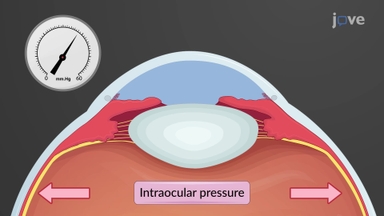
Glaucoma is an eye condition characterized by increased intraocular pressure that damages the retina and optic nerve, leading to irreversible blindness if left untreated. The human eye has various components, including the cornea, iris, pupil, lens, and optic nerve. Aqueous humor is secreted by the epithelium of the ciliary body in the posterior chamber and flows through the trabecular meshwork and canal of Schlemm, maintaining normal intraocular pressure. The trabecular meshwork and the canal of Schlemm are located at the iridocorneal angle, where the iris and cornea meet.
In glaucoma, the iridocorneal angle becomes blocked, causing an imbalance between aqueous humor secretion and drainage. When the trabecular meshwork becomes stiff, the outflow of aqueous humor slows down. Consequently, the aqueous humor gradually accumulates in the anterior chamber, increasing intraocular pressure. This condition is referred to as open-angle glaucoma because the iridocorneal angle remains open. Angle-closure glaucoma occurs when the iris bulges and obstructs the iridocorneal angle, leading to a sudden rise in intraocular pressure. Both types of glaucoma can be managed with medications or surgical interventions.
Bölümden 6:
Now Playing
6.18 : Glaucoma: Overview
Otonom Sinir Sistemi Üzerinde Etkili İlaçlar: Adrenerjik Agonist ve Antagonist Ajanlar
482 Görüntüleme Sayısı
6.1 : Adrenerjik Nöronlar: Nörotransmisyon
Otonom Sinir Sistemi Üzerinde Etkili İlaçlar: Adrenerjik Agonist ve Antagonist Ajanlar
3.3K Görüntüleme Sayısı
6.2 : Adrenerjik Reseptörler (Adrenoseptörler): Sınıflandırma
Otonom Sinir Sistemi Üzerinde Etkili İlaçlar: Adrenerjik Agonist ve Antagonist Ajanlar
2.1K Görüntüleme Sayısı

6.3 : Adrenerjik Reseptörler: ɑ Alt tip
Otonom Sinir Sistemi Üzerinde Etkili İlaçlar: Adrenerjik Agonist ve Antagonist Ajanlar
1.4K Görüntüleme Sayısı
6.4 : Adrenerjik Reseptörler: β Alt Tip
Otonom Sinir Sistemi Üzerinde Etkili İlaçlar: Adrenerjik Agonist ve Antagonist Ajanlar
1.4K Görüntüleme Sayısı
6.5 : Adrenerjik Agonistler: Doğrudan Etkili Ajanlar
Otonom Sinir Sistemi Üzerinde Etkili İlaçlar: Adrenerjik Agonist ve Antagonist Ajanlar
1.3K Görüntüleme Sayısı

6.6 : Adrenerjik Agonistler: Dolaylı Etkili Ajanlar
Otonom Sinir Sistemi Üzerinde Etkili İlaçlar: Adrenerjik Agonist ve Antagonist Ajanlar
1.4K Görüntüleme Sayısı
6.7 : Adrenerjik Agonistler: Karışık Etkili Ajanlar
Otonom Sinir Sistemi Üzerinde Etkili İlaçlar: Adrenerjik Agonist ve Antagonist Ajanlar
634 Görüntüleme Sayısı
6.8 : Adrenerjik Agonistler: Kimya ve Yapı-Aktivite İlişkisi
Otonom Sinir Sistemi Üzerinde Etkili İlaçlar: Adrenerjik Agonist ve Antagonist Ajanlar
2.5K Görüntüleme Sayısı
6.9 : Adrenerjik Agonistler: Terapötik Sınıflandırma
Otonom Sinir Sistemi Üzerinde Etkili İlaçlar: Adrenerjik Agonist ve Antagonist Ajanlar
665 Görüntüleme Sayısı

6.10 : Adrenerjik Agonistler: Terapötik Kullanımlar
Otonom Sinir Sistemi Üzerinde Etkili İlaçlar: Adrenerjik Agonist ve Antagonist Ajanlar
696 Görüntüleme Sayısı
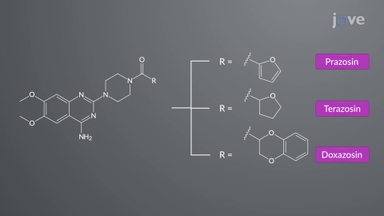
6.11 : Adrenerjik Antagonistler: ɑ-Reseptör Blokerlerinin Kimyası ve Sınıflandırılması
Otonom Sinir Sistemi Üzerinde Etkili İlaçlar: Adrenerjik Agonist ve Antagonist Ajanlar
772 Görüntüleme Sayısı
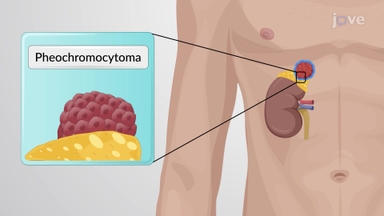
6.12 : Adrenerjik Antagonistler: ɑ-Reseptör Blokerlerinin Farmakolojik Etkileri
Otonom Sinir Sistemi Üzerinde Etkili İlaçlar: Adrenerjik Agonist ve Antagonist Ajanlar
517 Görüntüleme Sayısı
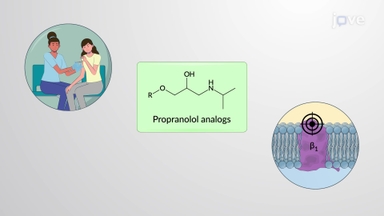
6.13 : Adrenerjik Antagonistler: β-Reseptör Blokerlerinin Kimyası ve Sınıflandırılması
Otonom Sinir Sistemi Üzerinde Etkili İlaçlar: Adrenerjik Agonist ve Antagonist Ajanlar
482 Görüntüleme Sayısı
6.14 : Adrenerjik Antagonistler: β-Reseptör Blokerlerinin Farmakolojik Etkileri
Otonom Sinir Sistemi Üzerinde Etkili İlaçlar: Adrenerjik Agonist ve Antagonist Ajanlar
509 Görüntüleme Sayısı
See More

JoVE Hakkında
Telif Hakkı © 2020 MyJove Corporation. Tüm hakları saklıdır