
9.8 : Public Policy toward Monopolies: Antitrust Laws
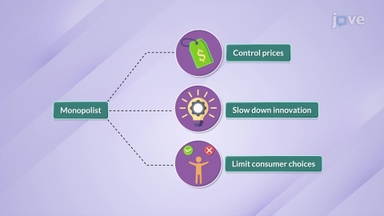
Public policy toward monopolies, particularly through antitrust laws, is designed to regulate or limit the power of monopolies and promote competition in the marketplace. Antitrust laws aim to prevent businesses from gaining or abusing dominant positions in the market, which can lead to higher prices, lower quality products, and reduced innovation due to the lack of competition.
The Sherman Act of 1890, the first major antitrust law in the U.S., prohibits monopolization and attempts to monopolize. The Clayton Act of 1914 further strengthened antitrust policy by targeting specific corporate behaviors that can lead to monopolies. It prohibits mergers and acquisitions that significantly reduce market competition, exclusive dealing arrangements that limit competition, and discriminatory pricing that can harm competition.
Antitrust laws are enforced by government agencies that can take legal action to break up monopolies, block mergers that would reduce competition, and impose regulations to ensure a competitive market. These policies aim to protect consumers from the negative effects of monopolies by ensuring that the marketplace remains diverse and competitive, fostering innovation, and keeping prices low and quality high. By doing so, they seek to maximize social welfare and economic efficiency.
Du chapitre 9:
Now Playing
9.8 : Public Policy toward Monopolies: Antitrust Laws
Monopoly
136 Vues
9.1 : Monopoly
Monopoly
190 Vues

9.2 : Reasons for the Existence of Monopoly
Monopoly
253 Vues

9.3 : Monopsony
Monopoly
122 Vues
9.4 : Demand Curve under Monopoly
Monopoly
311 Vues
9.5 : Revenues in Monopoly
Monopoly
240 Vues
9.6 : Profit Maximization in Monopoly
Monopoly
123 Vues

9.7 : Price Discrimination under Monopoly
Monopoly
1.7K Vues

9.9 : Public Policy toward Monopolies: Regulation
Monopoly
189 Vues
9.10 : Public Policy toward Monopolies: Public Ownership
Monopoly
225 Vues
9.11 : Monopoly vs Perfect Competition
Monopoly
215 Vues

À PROPOS DE JoVE
Copyright © 2025 MyJoVE Corporation. Tous droits réservés.