
13.4 : Calculating the Yield to Maturity
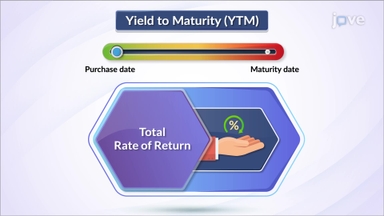
Yield to maturity (YTM) is the expected return an investor can earn by holding a bond until it matures. It is calculated as the discount rate that equates the bond's current market price with the present value of all future cash flows, including coupon payments and the face value. YTM assumes coupons are reinvested at the same rate and the bond is held to maturity.
YTM is influenced by factors such as the bond's price, time to maturity, coupon payments, face value, and market conditions like interest rate changes, inflation, and credit risk. For example, rising interest rates typically decrease bond prices and increase YTM, while falling rates have the opposite effect. Credit quality fluctuations can also impact YTM by altering the bond's perceived risk.
This metric allows investors to evaluate whether a bond's expected return aligns with their financial objectives and risk tolerance. By providing a standardized comparison of bonds with similar risk profiles, YTM helps investors make informed decisions. However, as YTM is sensitive to market dynamics, regular monitoring is essential to support an investor's strategy.
From Chapter 13:
Now Playing
13.4 : Calculating the Yield to Maturity
Bonds - Concepts and Valuation
69 Views
13.1 : Bond Features and Prices
Bonds - Concepts and Valuation
150 Views
13.2 : Valuation of Bonds
Bonds - Concepts and Valuation
65 Views
13.3 : Determining a Bond's Present Value
Bonds - Concepts and Valuation
83 Views
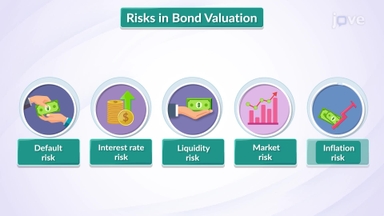
13.5 : Risk in Bond Valuation
Bonds - Concepts and Valuation
81 Views
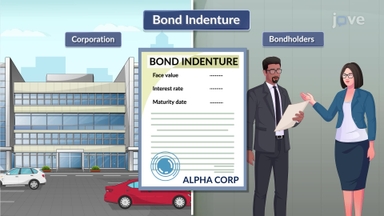
13.6 : The Bond Indenture
Bonds - Concepts and Valuation
59 Views
13.7 : Bond Ratings
Bonds - Concepts and Valuation
23 Views
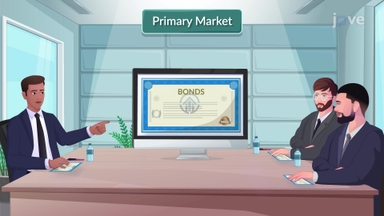
13.8 : Bond Markets
Bonds - Concepts and Valuation
37 Views

13.9 : Inflation and Interest Rates: Real vs. Nominal Rates
Bonds - Concepts and Valuation
27 Views
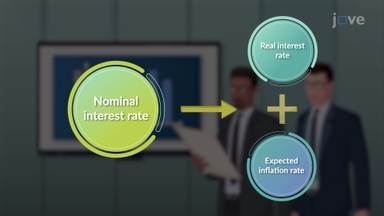
13.10 : The Fisher Effect
Bonds - Concepts and Valuation
54 Views

13.11 : Bond Yields and the Yield Curve: Putting It All Together
Bonds - Concepts and Valuation
18 Views

Copyright © 2025 MyJoVE Corporation. All rights reserved