Establishment and Evaluation of a Risk Prediction Model for Pathological Escalation of Gastric Low-Grade Intraepithelial Neoplasia
930 Views
•
03:05 min
•
February 16th, 2024
DOI :
February 16th, 2024
•Explore More Videos
Chapters in this video
0:00
Introduction
1:25
Endoscopic Examination and Surgery for the Pathological Escalation of Gastric Low‐Grade Intraepithelial Neoplasia
Related Videos

Important Endpoints and Proliferative Markers to Assess Small Intestinal Injury and Adaptation using a Mouse Model of Chemotherapy-Induced Mucositis
5.7K Views
Diagnosis of Neoplasia in Barrett’s Esophagus using Vital-dye Enhanced Fluorescence Imaging
12.0K Views

Establishing a Competing Risk Regression Nomogram Model for Survival Data
10.0K Views
Genome-Wide Analysis of DNA Methylation in Gastrointestinal Cancer
5.4K Views

Modeling Oral-Esophageal Squamous Cell Carcinoma in 3D Organoids
3.1K Views

Competing-Risk Nomogram for Predicting Cancer-Specific Survival in Multiple Primary Colorectal Cancer Patients after Surgery
170 Views
Surgical Models of Gastroesophageal Reflux with Mice
10.0K Views
Intraoperative Gastroscopy for Tumor Localization in Laparoscopic Surgery for Gastric Adenocarcinoma
12.6K Views
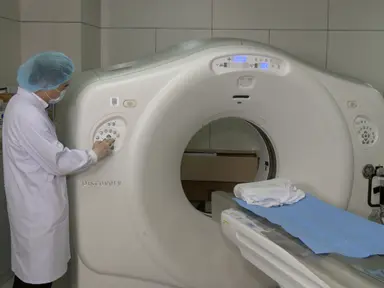
Gene Regulation and Targeted Therapy in Gastric Cancer Peritoneal Metastasis: Radiological Findings from Dual Energy CT and PET/CT
10.7K Views

A Preclinical Human-Derived Autologous Gastric Cancer Organoid/Immune Cell Co-Culture Model to Predict the Efficacy of Targeted Therapies
4.7K Views

Copyright © 2025 MyJoVE Corporation. All rights reserved